
 13 November 2026
Granny Flat Rules NSW 2026 — What You Need to Know Before You Build
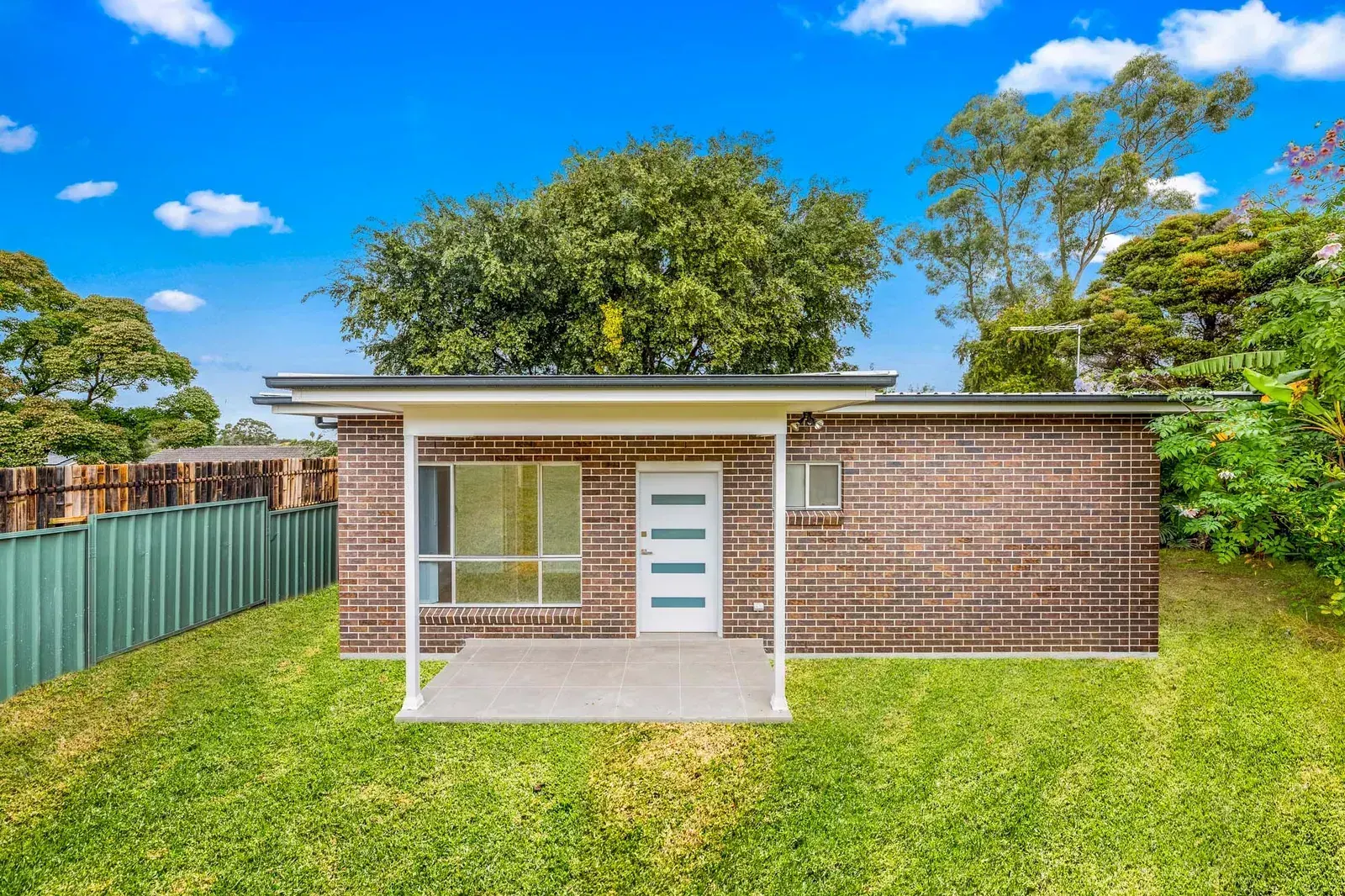
In NSW, most residential blocks of 450m² or more can have a granny flat built on them under the complying development (CDC) pathway — without needing full council approval. The maximum size under CDC is 60m². This article explains the key rules in plain English so you know what to expect before booking a site inspection.
Who Can Build a Granny Flat in NSW?
Under NSW planning rules, a granny flat (formally called a “secondary dwelling”) can be built on most residential properties across the state — as long as the block meets the minimum size and zoning requirements. The rules apply whether you’re in Sydney, the Central Coast, Western Sydney, or regional NSW.
The key baseline conditions are:
- The property must be zoned residential under your local council’s LEP (Local Environmental Plan)
- There can only be one granny flat per property
- A principal dwelling (your main house) must already exist or be built at the same time as the granny flat
- The granny flat must be on the same lot as the principal dwelling — it cannot be on a separate title
If your property meets these conditions, the next step is determining which approval pathway applies: CDC (Complying Development Certificate) or DA (Development Application).
NSW Granny Flat Rules at a Glance
Under the NSW State Environmental Planning Policy (Housing), the following key rules apply to granny flat complying development:
| Rule | Requirement |
|---|---|
| Minimum block size | 450m² (for CDC approval) |
| Maximum granny flat size | 60m² (floor area) |
| Number per property | One granny flat only |
| Height limit | Typically 8.5m (single storey standard) |
| Setbacks | Varies — front, rear, and side setbacks apply based on block and zone |
| Access | Separate access from the principal dwelling required |
| Stormwater and drainage | Must comply with relevant standards |
Rules are based on the NSW Housing SEPP and are subject to change. Always confirm current requirements with a CDC specialist or your local council before proceeding.
CDC vs DA — Which Approval Path Applies to You?
This is the question most Sydney homeowners get confused by. Here’s the plain English version:
CDC (Complying Development Certificate) is a fast-track approval pathway that bypasses the council approval process entirely. A private certifier assesses your application and issues a certificate — typically within weeks, not months. CDC is available when your block and proposed design meet all the requirements set out in the NSW Housing SEPP. For eligible blocks, Five Star Granny Flats offers a 4-week approval guarantee.
DA (Development Application) is the traditional council approval route. You submit an application to your local council, who reviews it against their local planning rules. DA timelines are less predictable — they can take months and may involve requests for additional information, conditions, or objections from neighbours. DA is required when your block or design doesn’t meet CDC criteria.
As CDC specialists, we assess your block’s eligibility during a free site inspection and tell you clearly which pathway applies — before you spend any money on plans or applications.
What If My Block Doesn’t Meet CDC Requirements?
If your block is under 450m², in a zone that excludes CDC granny flats, or has site constraints that put the design outside the complying development standards, a DA through your local council is the applicable pathway.
A DA doesn’t mean you can’t build — it means the approval takes longer and involves council assessment. Some DA applications for granny flats are straightforward and approved without issue. Others face conditions or modifications. The key variables are your local council’s attitude toward secondary dwellings and whether your proposed design fits within their local planning framework.
For blocks that fall into this category, we’ll be upfront about what’s involved during your site inspection. We don’t oversell the timeline or guarantee outcomes that depend on council decisions.
Common Mistakes Sydney Homeowners Make With Granny Flat Rules
- Assuming CDC applies to every block: the 450m² minimum catches many homeowners out, particularly in older Sydney suburbs with smaller lot sizes. Always check before planning.
- Ignoring setback requirements: a granny flat that meets the size limit can still fail CDC if the proposed position on the block violates front, rear, or side setbacks. These are assessed case by case.
- Confusing SEPP rules with council overlays: the NSW Housing SEPP sets the state-wide baseline, but some councils have local planning provisions that can affect what’s possible on your specific block. Your local LEP matters.
- Starting construction without an approval: building without the correct approval is a serious legal risk. Unapproved structures can be subject to demolition orders and significantly complicate property sales.
- Using a builder who isn’t across the current rules: NSW planning rules for secondary dwellings have evolved significantly in recent years. A builder who hasn’t kept up with the current SEPP requirements can give you advice that’s out of date.
Not sure if your block qualifies? We’ll check your eligibility for free. Our CDC specialist team has assessed hundreds of Sydney blocks — we’ll tell you exactly what’s possible on yours.
Call 1300 843 921 or check your eligibility with Stella in 60 seconds
Frequently Asked Questions — Granny Flat Rules NSW
What is the minimum block size for a granny flat in NSW?
Under the NSW Housing SEPP, the minimum block size for a granny flat under the complying development (CDC) pathway is 450m². Blocks smaller than this may still be able to accommodate a granny flat via a Development Application (DA) through the local council, depending on the zoning and local planning rules.
How big can a granny flat be in NSW?
Under the NSW Housing SEPP complying development pathway, the maximum floor area for a granny flat is 60m². Designs larger than 60m² require a DA through the local council and are subject to the council’s local planning controls rather than the state-wide SEPP.
Do I need council approval for a granny flat in NSW?
Not necessarily. If your block meets the requirements under the NSW Housing SEPP, you can use the CDC pathway — which is approved by a private certifier without going through council. If your block doesn’t meet the CDC criteria, a DA through your local council is required. A site inspection will determine which applies to your block.
Can I rent out a granny flat in NSW?
Yes. A granny flat built with the correct approvals in NSW can be rented out to anyone — not just family members. There are no restrictions on who can occupy a granny flat on your property under NSW planning rules.
How long does it take to get approval for a granny flat in NSW?
For CDC-eligible blocks, approval typically takes 2 to 4 weeks through a private certifier. Five Star Granny Flats offers a 4-week approval guarantee for eligible builds. DA timelines through local councils are less predictable and can take several months depending on the council and the complexity of the application.
Free and no obligation. A designer comes back to you within one business day.
More from the blog
 30 September 2026
Granny Flats Are Opening the Door to Housing Density in Suburban Australia. Is Your Block Next?
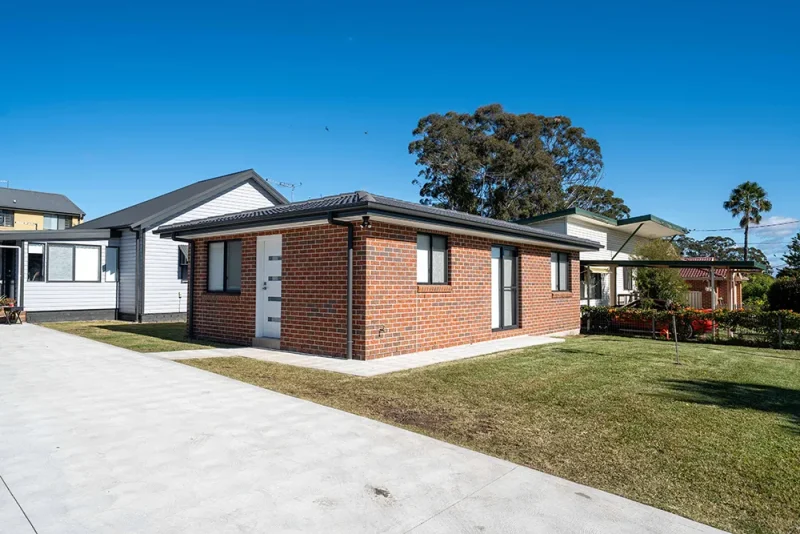
An estimated 3.6 million Australian lots could fit a granny flat. Here's how new planning rules are driving suburban housing density — and if your block is next. Read article →
 30 September 2026
$1,400 a Week for a Granny Flat. The Rental Crisis Is Real — Here’s What to Do About It
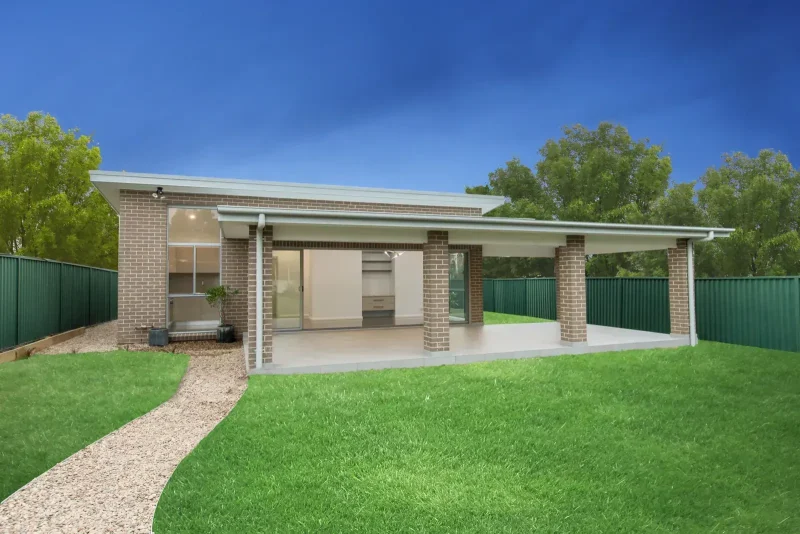
Sydney granny flats are renting for up to $1,400 a week. Here's what the rental crisis means for homeowners — and how to turn your backyard into rental income. Read article →
Our display home
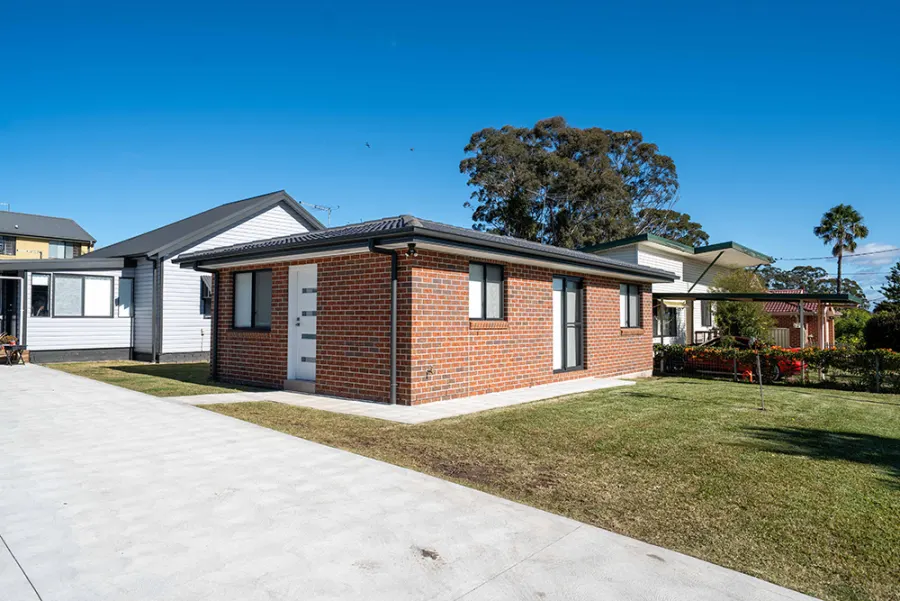
Visit our display home to experience the quality for yourself, touch the finishes, test the materials, and explore the full range of design options available to you. You'll speak directly with our experienced granny flat designers and visualise what your own space could look like.
📍 2 Mary St, Blacktown NSW 2148
Our partners